Business Is Social
Academic Excellence Has a Ceiling
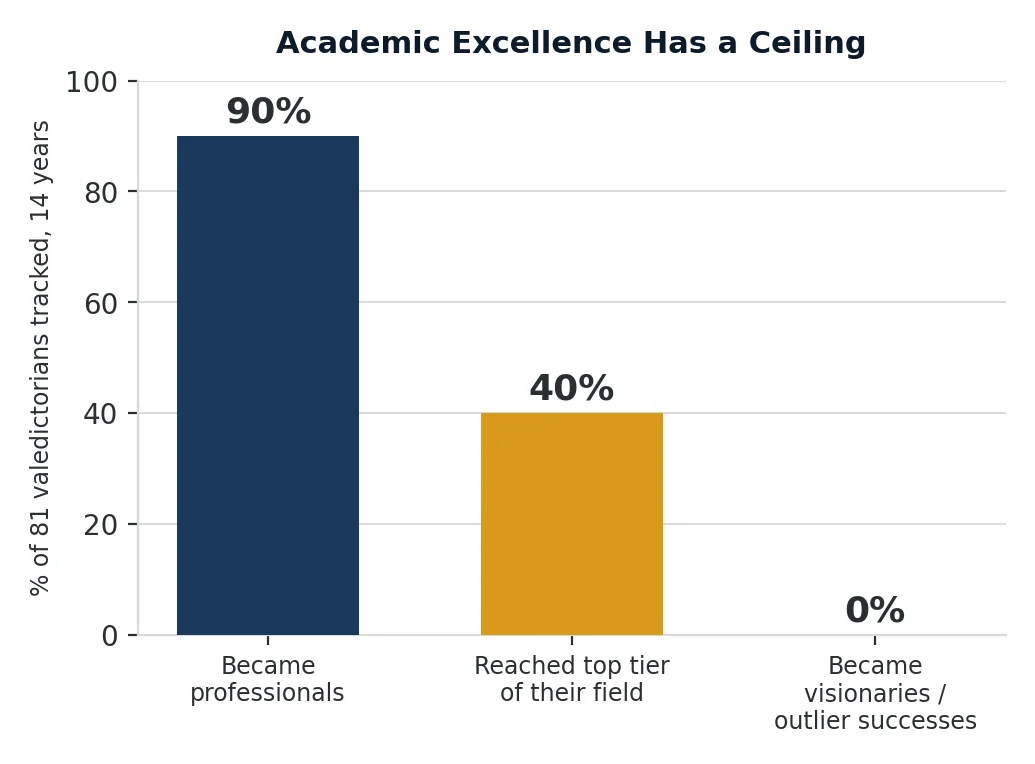
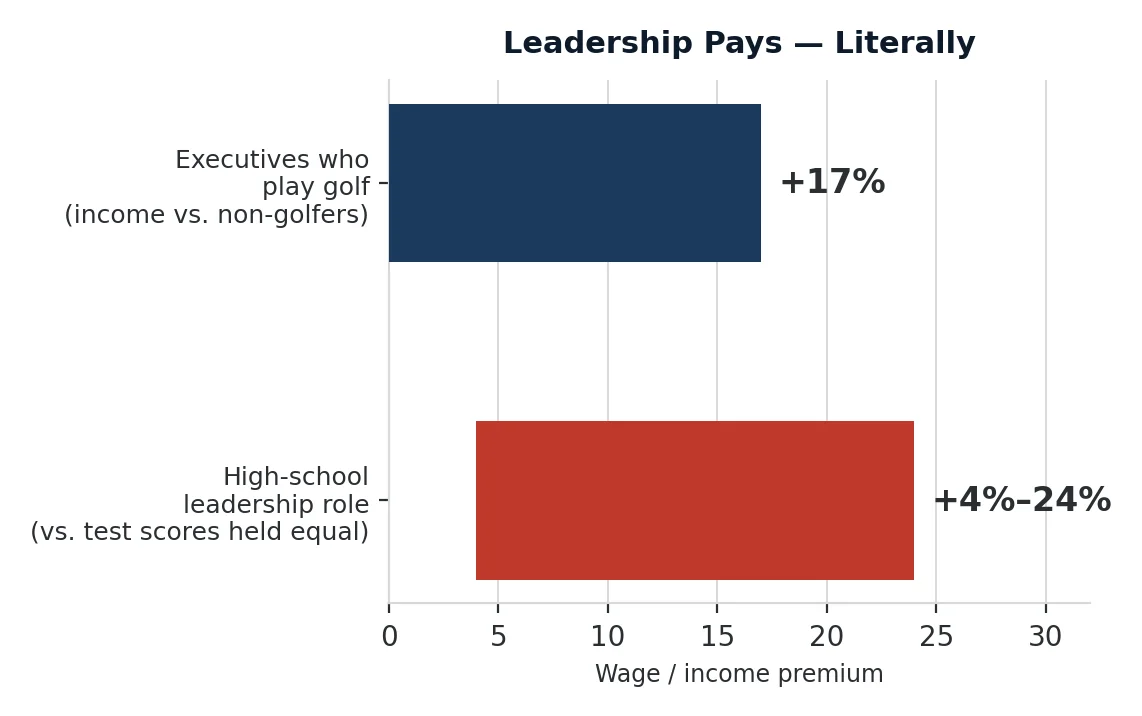
Leadership and Likability Are Priced Separately From IQ
Your Network Pays Off Through Its Edges, Not Its Core
How to Build the Network Without Losing Yourself
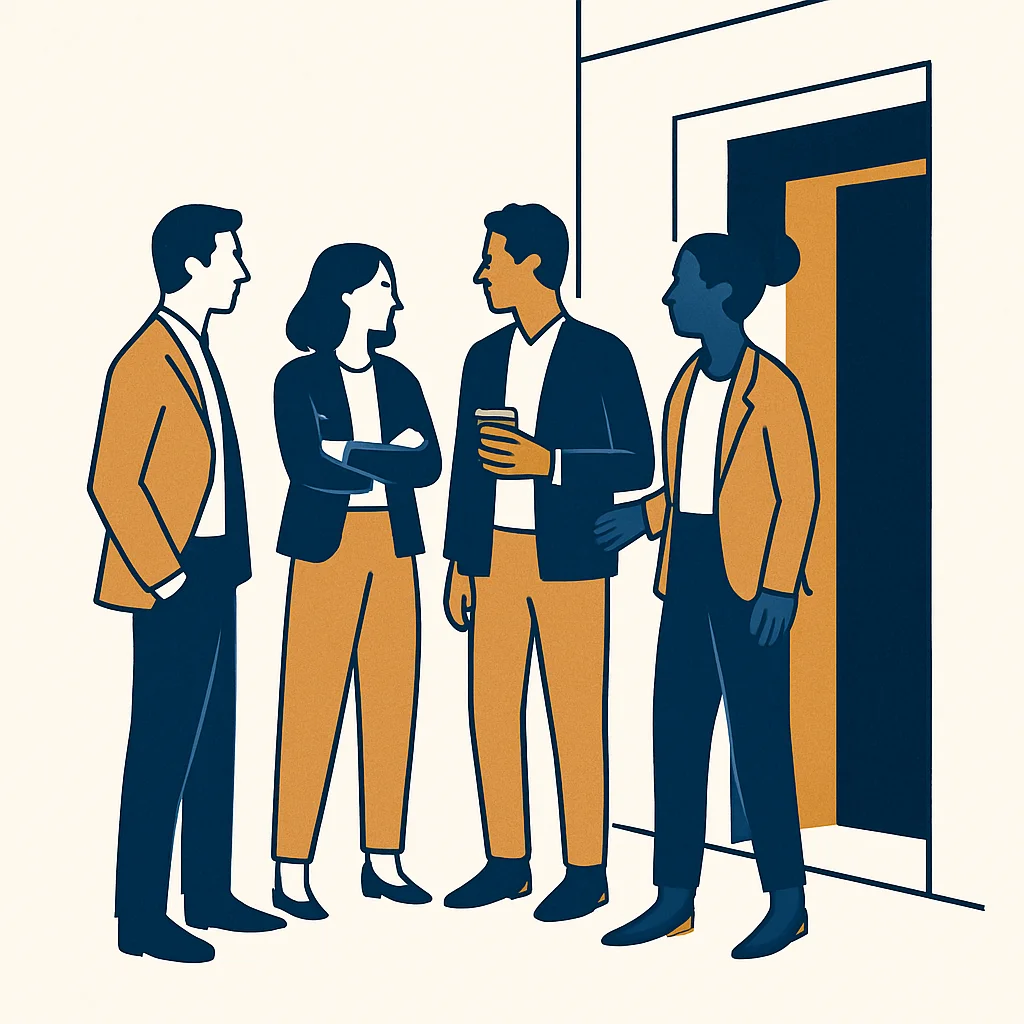
- Show a little of yourself — not all of yourself. Self-disclosure reliably increases how much people like you (Collins & Miller meta-analysis), but it's still a public persona. Reveal enough to pique curiosity, not your whole hand.
- Take the smoke break, even if you don't smoke. Step outside for “fresh air” and join the conversation. The unstructured five minutes outside the building is where a disproportionate amount of real information moves.
- Have lunch with people. 86% of employees say good colleague relationships matter to their happiness at work — and happiness compounds into cooperation when you need it.
- Go out with the group — you don't have to drink. A club soda or a coke gets you the seat at the table. Watching how others behave when they relax tells you more about them than any meeting will.
- If you do drink, know your limit before the second round, not during it.
Bottom Line
People do business with people they like. That isn't a soft skill on the side of engineering — it's a separate, measurable, market-priced skill in its own right.
The data point the same direction from three unrelated angles: valedictorians, who optimize for the wrong target, plateau as competent professionals while producing zero outlier successes; people who practiced leadership or relationship-building in adolescence carry a real, growing wage premium into adulthood, independent of IQ; and the jobs and opportunities that actually move people's careers arrive disproportionately through the loose edges of a network, not its tight center. The term “good old boys network” described something real and exclusionary at its 19th-century origin — built on all-male elite schools, closed by design. The mechanism it ran on — relationships compound, and people help people they like — was never actually about gender or race; that was just who held the keys. The keys are handed out differently now (Fortune 500 women CEOs: 0% in 1995, a record 11.2% in 2026) and the network itself is open to anyone willing to build it. The gate moved from birth to behavior. Show up to it.